
Roof Work
Mixed-Use Development Roofing in Oakland, CA starts with roof evidence.
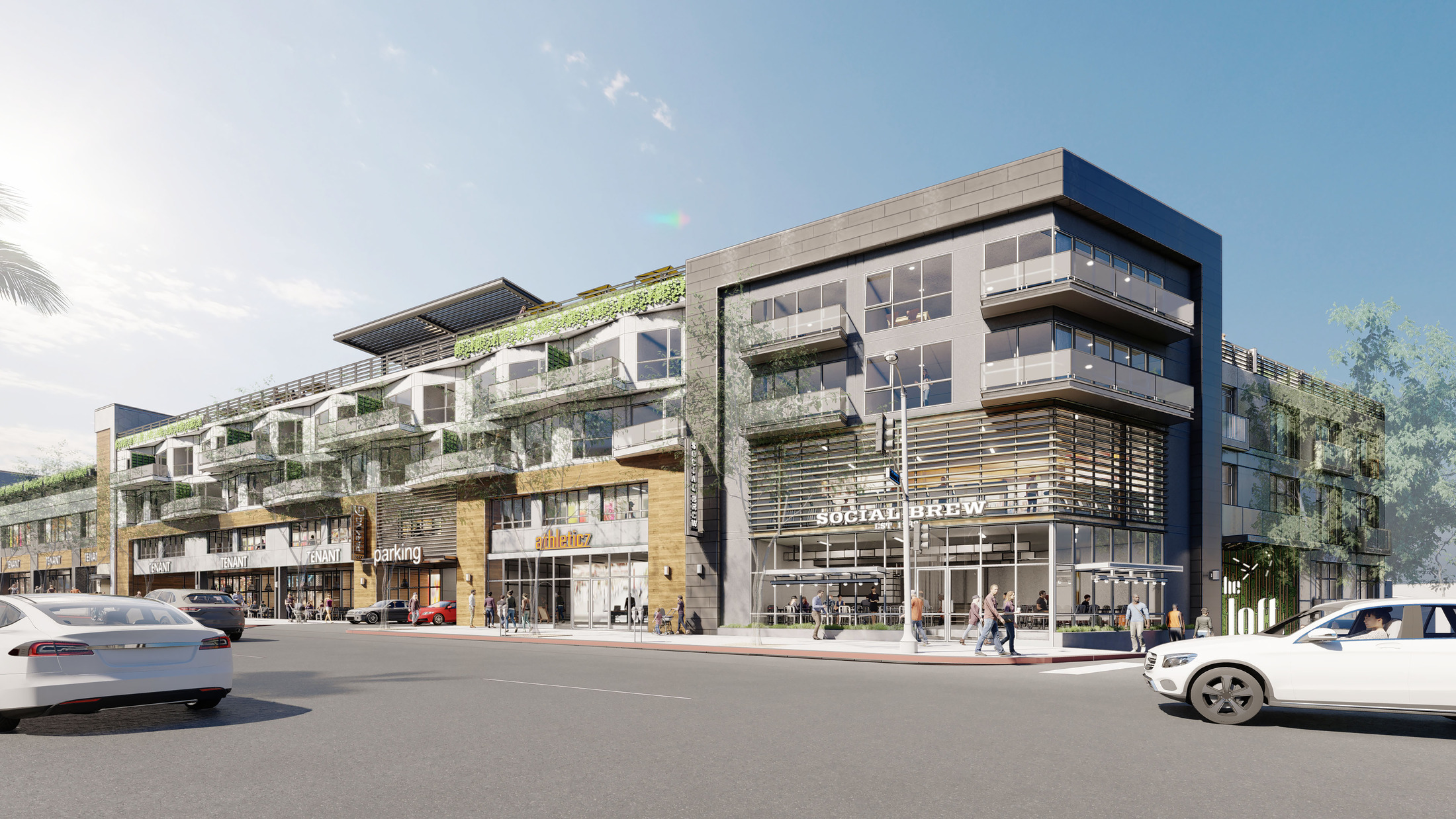
Oakland's Temescal, Uptown, and Jack London Square corridors have experienced some of the Bay Area's most consequential mixed-use infill over the past decade, and the roofing demands that come with those projects are as layered as the buildings themselves. A six-story structure rising above a craft brewery and retail row on Telegraph Avenue carries rooftop obligations that span residential waterproofing, commercial kitchen exhaust integration, seismic-compliant mechanical anchorage, and increasingly - amenity decks designed to capture views of the Oakland Hills or the estuary. Each of those functions demands different roofing expertise, and getting them to coexist on a single roof field requires contractors who have worked at this scale in urban infill conditions.
California's Title 24 energy code shapes roof assembly choices in Oakland mixed-use buildings in ways that differ significantly from standard commercial practice. The code's prescriptive cool-roof requirements push designers toward high-SRI membranes and reflective coatings even in Alameda County's mild climate, and the interaction between those cool-roof surfaces and a green roof or amenity deck above creates thermal performance trade-offs that need to be modeled early. When the residential floors above a commercial base rely on the roof for a meaningful portion of their energy envelope performance, the insulation R-value and air barrier continuity at roof level carry real dollar consequences in tenant utility bills - and in Prop 65 and energy disclosure compliance at sale.
Oakland's seismic environment requires that every rooftop unit, parapet, and large penetration be properly anchored against lateral forces consistent with ASCE 7 seismic design category D. This isn't a theoretical concern - the Loma Prieta and subsequent seismic events produced roof-level failures in unreinforced masonry mixed-use buildings throughout the East Bay, and the retrofit and new-construction markets have absorbed those lessons. Curbs for HVAC equipment on mixed-use Oakland rooftops need seismic restraint calculations, and the penetration sleeve details for electrical conduit and plumbing through the roof deck should accommodate racking movement without tearing the membrane. Contractors who have worked in Oakland's seismic environment know how to read the structural engineer's notes and build accordingly.
The transit-oriented development nodes around the 19th Street and MacArthur BART stations are driving a new generation of dense Oakland mixed-use projects where rooftop space is treated as genuine amenity rather than mechanical yard. Rooftop bars, community gardens, and fitness terraces above 8–12 story mixed-use towers require waterproofing systems that can handle both concentrated foot traffic and the differential movement inherent in tall concrete structures. Protected membrane assemblies - where the waterproofing layer is placed below the insulation and pavers - are often the right call in these applications because they protect the membrane from UV degradation and physical damage while still meeting Oakland's cool-roof performance expectations.
Fire-rated assembly requirements in Oakland's high-density mixed-use zones are enforced with heightened scrutiny following the Ghost Ship fire and subsequent city-wide reassessment of multi-use building code compliance. Roof-ceiling assemblies separating residential floors from commercial spaces below must carry their IBC-required hourly rating with documented UL or FM listings, and the City of Oakland's building department has become more rigorous in requesting those documents at framing inspection rather than waiting for final. Contractors who prepare assembly submittal packages as part of their pre-construction process - rather than scrambling to find listing numbers at inspection time - save developers significant schedule risk in a city where inspection backlogs can already stretch timelines.
Noise attenuation through the roof system is a practical concern in Oakland mixed-use buildings near the Coliseum corridor, Lake Merritt entertainment district, and Telegraph Avenue bar and music venues. Roof assemblies can contribute to STC performance through mass and isolation, and the details around mechanical equipment - vibration isolators on curbs, properly decoupled fan housings, and acoustically lined duct connections at the roof penetration - determine whether residents above an active commercial floor experience the building as livable. These aren't luxury considerations; they're the difference between a fully leased residential stack and a chronic vacancy problem that tanks the building's income model.
Oakland's mixed-use projects frequently involve adaptive reuse of historic warehouse or industrial structures in West Oakland, Fruitvale, and the Jingletown neighborhood along the estuary. Existing structural decks in those buildings may be wood plank over heavy timber, concrete on steel, or composite systems that require specific fastening patterns and adhesive compatibility testing before a new roofing system is applied. Ignoring the substrate and applying a modern membrane over a compromised or incompatible existing deck is a common source of mid-warranty failure in Oakland adaptive reuse projects. A proper core sampling and adhesion test protocol before spec selection is time well spent.
Long-term ownership structures in Oakland mixed-use real estate have evolved toward condominium and TIC arrangements that complicate roof maintenance governance. When a ground-floor retail condo owner, a mid-building office floor association, and an upper-residential HOA each have a financial stake in the roof but no clear single authority to authorize repairs, deferred maintenance accumulates. Developers who build clear roof maintenance reserve funding and single-entity management authority into the CC&Rs from the outset - and who fund an initial inspection and maintenance contract at the time of close - produce buildings that maintain their market value and avoid the litigation that follows a major unplanned repair in a multi-entity ownership structure.
The Oakland commercial roofing market has enough specialized capacity for mixed-use work, but not all contractors are equipped for the combination of union labor requirements, seismic detailing, and multi-stakeholder project management that the city's major mixed-use projects demand. Developers should verify OSHA safety program compliance, Bay Area union signatory status where required, and verifiable references from other Oakland infill projects before awarding a roofing contract. A contractor who performs well on standalone commercial rooftops may not have the coordination infrastructure for a project where four other trades are sequencing around them on a tight urban site with no staging area.
- What roofing system is best for a rooftop amenity deck on an Oakland mixed-use building?
- Protected membrane assemblies - where waterproofing is installed below the insulation and a traffic-rated paver system - work well for Oakland's mild climate and seismic environment because they shield the membrane from UV, puncture, and thermal cycling while remaining accessible for inspection. Fully-adhered TPO or hot-fluid-applied systems beneath drainage composite and protection board have strong track records in Bay Area mixed-use applications. The paver system should be set on adjustable pedestals to allow membrane inspection without full demolition.
- How do Oakland's seismic requirements affect rooftop mechanical equipment installation?
- All rooftop units must be anchored with seismic restraint systems designed to ASCE 7 seismic design category D requirements applicable to Alameda County. This means engineered curb-to-deck connections, lateral restraint rails or cables on larger equipment, and flexible duct and conduit connections that allow racking movement without tearing membrane or pipe joints. Seismic anchorage details should be reviewed and stamped by the structural engineer of record before installation begins.
- What are the fire separation requirements between retail and residential in an Oakland mixed-use building?
- IBC requires fire-resistance-rated floor-ceiling and roof-ceiling assemblies between occupancy groups, with the required rating depending on the specific occupancy classification and construction type. In Oakland's high-density mixed-use zones, those assemblies typically require one to two hour ratings using UL-listed systems. The City of Oakland building department expects assembly listing documentation at framing inspection, not at final, so contractors must have submittal packages ready early in the project schedule.
- How does California's Title 24 affect roof specification choices in Oakland mixed-use buildings?
- Title 24's prescriptive cool-roof requirements mandate minimum Solar Reflectance Index (SRI) values for low-slope roofs in commercial and residential applications, pushing designers toward white or reflective membrane surfaces. When a rooftop amenity deck or green roof covers part of the field, the uncovered portions must still meet SRI requirements, and the energy model must account for both the covered and uncovered zones. Early coordination between the energy modeler and the roofing designer prevents compliance gaps that trigger plan check revisions.
- What should a mixed-use developer in Oakland look for in a roofing contractor's references?
- Prioritize references from other urban infill mixed-use projects completed in Oakland or the East Bay within the past five years, ideally involving adaptive reuse, occupied lower floors during construction, and multi-entity ownership structures. Ask specifically about their process for seismic anchorage coordination, assembly submittal preparation, and post-completion maintenance handoff. A contractor who can provide a reference from both the developer and the building department inspector on the same project offers the strongest evidence of all-around performance.