
Roof Work
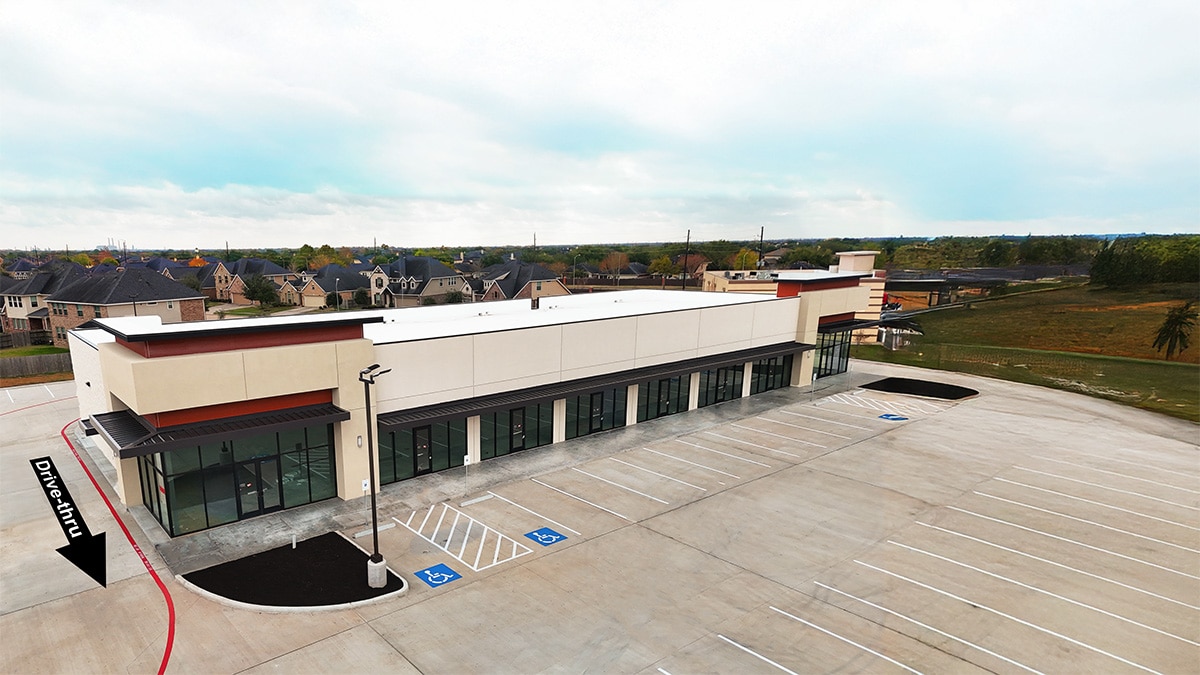
Retail and Shopping Center Roofing in Oakland, CA starts with roof evidence.
Oakland's retail geography spans some of the most economically and culturally distinct commercial corridors in California - the Fruitvale Village district, the Temescal corridor on Telegraph Avenue, the big-box and strip retail concentrated along MacArthur Boulevard and 73rd Avenue near the Eastmont Town Center, the Dimond District neighborhood commercial nodes, and the newer mixed-use retail development emerging in West Oakland near the Coliseum area. The city's roofing environment is defined by the mild but not trivial East Bay climate: dry seasons that produce thermal fatigue through intense UV cycling, a foggy summer marine layer that keeps moisture content elevated on roofing materials even during the driest months, and an earthquake hazard that makes structural deck conditions on older retail buildings a material concern in roofing assessments.
Oakland's older retail building stock - particularly the mid-century commercial strips along International Boulevard and MacArthur Boulevard - presents roofing assessment challenges that newer construction does not. Many of these buildings are on wood or concrete structural decks that have experienced decades of moisture cycling, and the condition of the deck is not visible until tear-off begins. We perform destructive testing on representative sections of older Oakland retail roofs before finalizing project pricing, using core samples to assess insulation saturation and deck condition. Wet insulation discovered during this process is documented with infrared scanning and included in the project scope as an explicit line item, rather than appearing as a surprise change order mid-project.
California Title 24 energy code requirements are among the most stringent in the country, and they significantly shape roofing specifications for Oakland retail properties. Re-roofing projects above defined thresholds must comply with current Title 24 cool roof requirements, which specify minimum solar reflectance and thermal emittance values for low-slope commercial roofs. White TPO and white PVC membranes comfortably meet these requirements, and they also reduce cooling energy consumption in a market where retail buildings in East Oakland and West Oakland are served by tenants who pay their own utility bills and for whom energy efficiency has a direct effect on business operating costs. We provide Title 24 compliance documentation as part of every Oakland retail reroofing project close-out package.
Seismic considerations affect roofing design in Oakland in ways that most other markets do not encounter. The Hayward Fault runs directly through the East Bay, and Oakland commercial buildings are subject to seismic design requirements that influence both the structural attachment of roofing assemblies and the flexibility of perimeter flashings and terminations at parapet walls. During re-roofing, we assess whether existing parapet wall construction is seismically adequate for the loads it will experience - unreinforced masonry parapet walls on older Oakland retail buildings are a documented life-safety hazard in earthquakes and may require reinforcing as part of a comprehensive reroofing project. We flag these conditions in our condition reports and coordinate with structural engineers when parapet wall intervention is warranted.
Tenant disruption in Oakland retail is a politically sensitive issue in ways that go beyond the typical business disruption concerns. Oakland's small business community - the independent retailers, food vendors, and service providers along Fruitvale Avenue, the Temescal, and the Grand Avenue corridor - has been a vocal participant in debates about gentrification and development, and roofing projects on commercial buildings in these areas benefit from landlords who proactively communicate with tenants and the surrounding community. Our project approach for Oakland neighborhood retail projects includes bilingual tenant notification materials in English and Spanish, flexible scheduling to minimize disruption to food vendors and service businesses with early morning or late-night operations, and designated points of contact for tenant concerns throughout the project.
HVAC penetration management on Oakland retail roofs reflects California's unique combination of mild climate and aggressive energy efficiency requirements. Many Oakland retail buildings have been retrofitted with high-efficiency HVAC systems under California Public Utilities Commission incentive programs, and these units often have larger footprints and different curb configurations than the equipment they replaced. We coordinate with building owners and their mechanical contractors to ensure that HVAC curb modifications and new penetration installations maintain the membrane assembly's Title 24 compliance and manufacturer warranty coverage. Uncoordinated HVAC upgrades that cut into the membrane without proper flashing work are one of the most common causes of warranty voids we encounter during Oakland retail inspections.
Oakland's retail landscape includes a significant number of properties affected by the city's historic and commercial corridor preservation policies. Properties in the Fruitvale Transit Village, the Grand Avenue commercial corridor, and parts of the Temescal are subject to design review processes that may affect exterior roofing components visible from public ways - coping cap profiles, parapet wall heights, and mechanical equipment screening. Our Oakland retail reroofing projects include a pre-permit regulatory review that identifies any design review requirements and coordinates the roofing scope with the approval process, preventing the permit delays that occur when roofing changes trigger unanticipated review requirements.
The East Bay's wildfire smoke season has introduced a new consideration for Oakland retail property owners: the rooftop HVAC equipment that draws in outside air during smoke events needs to maintain positive pressure and filtration while the building envelope - including the roof - must be tight enough to prevent smoke infiltration through gaps and penetrations. Reroofing projects are an opportunity to inspect and seal small penetrations, pipe chase openings, and parapet cap joint gaps that allow smoke to enter occupied retail spaces during air quality emergency events. We document these closure details as part of the project scope on Oakland retail projects, giving landlords a defensible record of the air-sealing work completed during reroofing.
CAM budget planning for Oakland retail property owners must reflect California's premium labor market. Prevailing wage requirements on projects involving certain tax credits or public subsidies, the general wage premium of Bay Area construction labor, and California's stringent contractor licensing and insurance requirements all push retail reroofing costs above national averages. Accurate local market budgeting - based on current Bay Area material and labor pricing rather than national benchmarks - is essential for Oakland retail landlords who need to justify capital expenditures to investors or lenders using realistic cost projections. We provide detailed local market estimates that reflect the actual cost environment of Alameda County commercial construction.
- What California Title 24 requirements apply to Oakland retail reroofing projects?
- California Title 24, Part 6 requires that re-roofing projects on commercial buildings meet current cool roof standards, specifying minimum solar reflectance of 0.63 and thermal emittance of 0.75 for low-slope roofs less than 2:12 pitch. These requirements apply when re-roofing covers more than 50 percent of the roof area. White TPO and white PVC membranes exceed these thresholds without modification, while some granule-surfaced modified bitumen products require a reflective coating to comply. We provide the California Title 24 Nonresidential Compliance Form documentation required for permit submission on all Oakland retail reroofing projects.
- How does Oakland's fog and marine layer affect roofing materials?
- The summer marine layer that frequently covers Oakland during morning hours keeps roofing membrane surfaces at elevated moisture levels even during the dry season, which affects the surface temperature cycling that TPO and PVC membranes experience. While the fog itself is not a structural concern for modern single-ply membranes, it does affect the adhesion of sealants and caulks applied during foggy conditions - we restrict application of field-applied sealants to afternoons when solar drying has cleared the surface moisture that prevents proper adhesion. The marine layer also tends to deposit airborne salt on rooftop surfaces near the Bay, which we address with enhanced corrosion protection specifications for metal components.
- What seismic considerations affect roofing work on Oakland retail buildings?
- Oakland's position in Seismic Design Category D requires that roofing assemblies be attached to structural decks in ways that maintain integrity during earthquake ground motion, and existing roofing assemblies on older buildings may have attachment details that do not meet current seismic requirements for the additional mass of a re-roofing overlay. When re-roofing adds significant weight through new insulation layers, the structural deck attachment design should be reviewed by a licensed California structural engineer. Parapet walls on older masonry retail buildings are a specific concern - unreinforced masonry parapets are a documented hazard in East Bay seismic events, and re-roofing projects that disturb parapets create an obligation to address seismic adequacy.
- Are there specific contractor licensing requirements for commercial roofing in California?
- California requires that commercial roofing contractors hold a C-39 Roofing Contractor license issued by the California Contractors State License Board, and work above certain dollar thresholds requires the contractor to maintain specified levels of workers' compensation and general liability insurance. Projects on properties with state or local tax credits or grants may also require prevailing wage compliance and DIR registration. We maintain current C-39 licensing and all required California contractor registrations, and our insurance certificates meet the minimums required by the institutional landlords and national retailers active in the Oakland market.
- How should Oakland retail landlords approach reroofing in buildings with mixed tenant ownership structures?
- Oakland's retail building stock includes a number of commercial condominium and mixed ownership structures, particularly in the Fruitvale and Temescal areas, where different retail units may be owned by separate parties who must coordinate on building envelope decisions. The common interest disclosure requirements under California law, and the specific provisions of each property's CC&Rs regarding building envelope maintenance, govern how reroofing costs are allocated among unit owners. We provide condition assessment documentation formatted for use in HOA board presentations and owner disclosure packages, and our project estimates clearly delineate the scope attributable to common area versus individual unit improvements.