Owner Group
REIT Roofing Services in Oakland, CA starts with roof evidence.
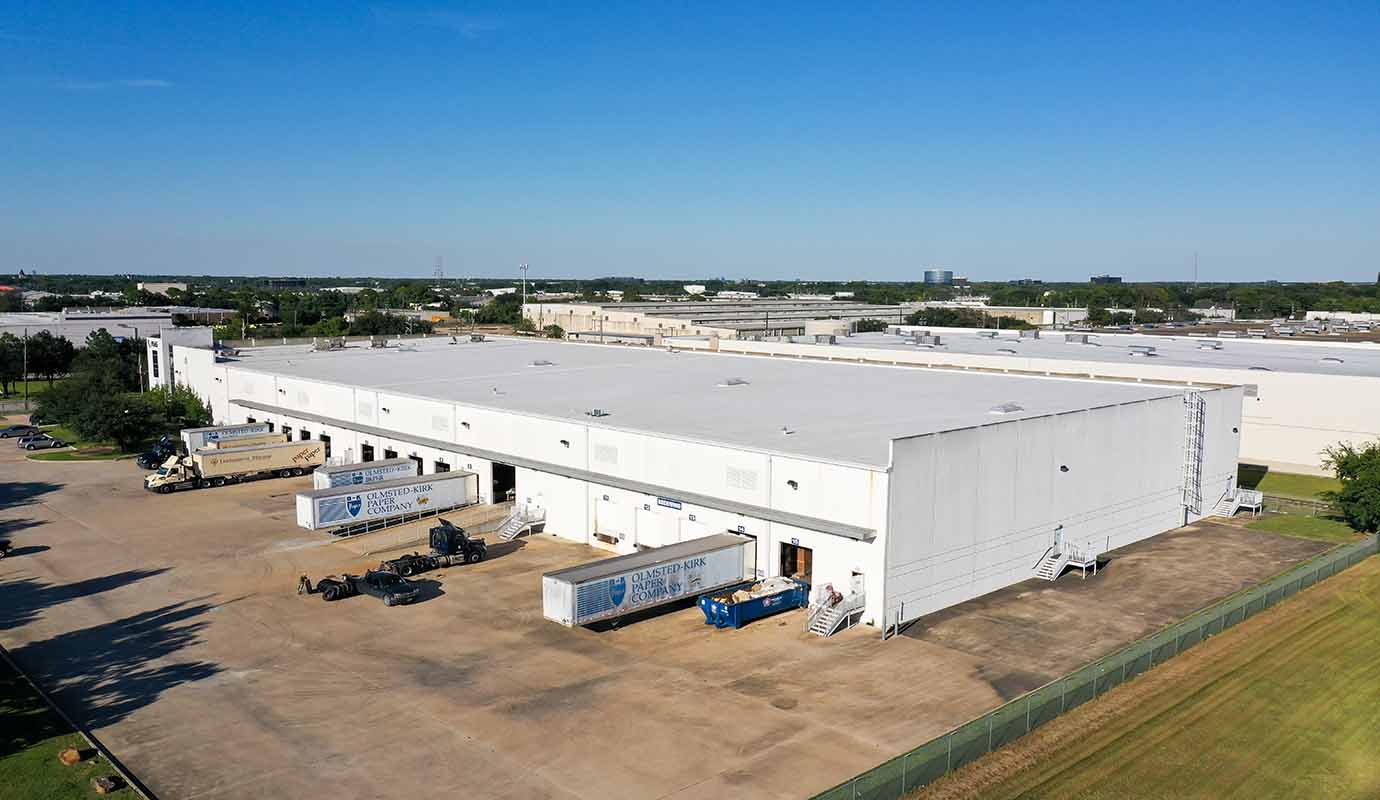
our company operates millions of square feet of industrial real estate across the East Bay, making Oakland one of the most active REIT roofing markets in California. The company's vast portfolio of warehouse and distribution facilities along the I-880 corridor demands structured roofing governance, and our company has formalized that through multi-property master service agreements that give preferred roofing vendors guaranteed annual work in exchange for fixed-rate pricing, priority scheduling, and performance guarantees. For a commercial roofing contractor serving Oakland, qualification for a our company MSA means predictable revenue, bundled mobilization costs, and the kind of close coordination with regional asset managers that makes complex multi-building projects executable without constant rebidding.
The financial logic behind these preferred vendor programs is rooted in NOI protection. A single flat-roof failure on a 200,000-square-foot East Bay warehouse can halt tenant operations, trigger lease abatement clauses, and produce insurance claims that elevate premiums across an entire portfolio. For a REIT managing thousands of properties, even a modest systemic degradation in roof condition translates into measurable NOI drag. Oakland's industrial tenants-particularly logistics operators and last-mile fulfillment centers-have little tolerance for facility downtime, which means asset managers treat roof condition as an operational risk, not just a maintenance line item.
California's Title 24 energy code adds a layer of complexity that distinguishes Oakland-market REIT roofing from virtually every other state. Title 24 requires cool-roof compliance on most commercial re-roofing projects, mandating minimum Solar Reflectance Index ratings that affect product selection and installation methodology. our company and other California REITs have incorporated Title 24 documentation requirements directly into their MSA scope-of-work templates, ensuring that contractors submit SRI certification data alongside the standard inspection and repair records. Failure to maintain compliant documentation can create liability during property dispositions, when buyers conduct their own Title 24 audits as part of due diligence.
CAPEX planning in Oakland also contends with seismic considerations that have no parallel in other major industrial markets. Older tilt-up concrete construction common in the East Bay can shift subtly after seismic events, opening parapet-to-roof-deck gaps that standard lap repairs do not adequately address. REITs building 10-year capital models for their Oakland portfolios must budget for periodic post-seismic inspections following any Richter 4.0 or greater event, and their asset managers typically require contractors to document parapet conditions separately from field conditions in every annual inspection report.
Property Condition Assessments before East Bay acquisition closings are especially consequential because of the age profile of Oakland's industrial stock. A significant share of the buildings our company and competing REITs have acquired over the past decade were originally constructed in the 1970s through 1990s and may carry original built-up roofing that is well past its actuarial life. A PCA that uncovers pervasive moisture infiltration in a 400,000-square-foot facility can shift acquisition pricing by hundreds of thousands of dollars, either through purchase-price adjustments or seller-funded escrow holdbacks earmarked for immediate remediation. Buyers who skip rigorous PCAs or rely on desktop reviews frequently absorb those costs post-close against projected returns.
Reserve contributions for roofing are a point of ongoing tension between REIT analysts and asset managers in the Oakland market. Standard models allocate $0.10 to $0.15 per square foot annually for roofing reserves across industrial assets, but California labor costs, prevailing wage requirements on certain publicly financed projects, and the cost premium for Title 24-compliant materials push actual replacement costs substantially above national benchmarks. REITs that apply generic reserve tables to their Oakland portfolios routinely experience shortfalls when major replacement cycles arrive, creating pressure to either tap operational cash or restructure debt to fund capital projects that should have been anticipated years earlier.
Sustainability reporting adds another dimension for publicly traded REITs operating in Oakland. our company has committed to ambitious carbon reduction targets across its global portfolio, and roofing plays a direct role through both cool-roof reflectivity and the structural capacity to support rooftop solar. Asset managers coordinating with sustainability teams now routinely include solar-readiness assessments in roofing project scopes, evaluating whether a replacement system can carry the dead load of a photovoltaic array without structural reinforcement. Contractors who understand how to document and communicate these load calculations position themselves as long-term partners rather than transactional vendors.
The competitive dynamic among roofing contractors in Oakland has intensified as REIT portfolio concentration has grown. A small number of contractors now hold MSAs with multiple large REITs, giving them scheduling density that independent owner clients cannot match. For asset managers, that concentration creates leverage-but also risk. When a single preferred vendor becomes strained by simultaneous mobilizations across several portfolios, response times for emergency repairs slow down precisely when tenants are most vocal. Sophisticated REIT roofing programs in Oakland typically maintain two approved vendors per service tier to preserve competitive tension and ensure emergency capacity.
For commercial roofing contractors seeking to enter or expand within Oakland's REIT market, the entry point is usually proof of California contractor licensing, a demonstrated track record on projects above 50,000 square feet, and the ability to carry the insurance levels-typically $5 million in commercial general liability and $2 million in workers' compensation-that REITs require before issuing work orders. Beyond credentials, the differentiating factor is the ability to deliver the data: drone-assisted roof surveys, moisture-mapping reports, and repair cost projections that feed directly into the asset manager's capital planning spreadsheets and investor reporting packages.
- How do REIT portfolio roofing programs work in Oakland?
- REITs like our company establish master service agreements with pre-qualified contractors covering inspection schedules, repair response times, and fixed pricing across all properties in a defined region. This eliminates per-project bidding, reduces mobilization costs, and ensures consistent documentation standards for investor reporting.
- How does roof condition affect NOI on Oakland industrial properties?
- Roof failures that cause tenant downtime, trigger lease abatement clauses, or force emergency repairs directly reduce net operating income. Even deferred maintenance that inflates operating expense budgets suppresses NOI margins and, by extension, the capitalized value of the asset.
- What does a 10-year CAPEX roofing model include for a California industrial portfolio?
- A sound model segments roofs by age, condition score, and system type, then projects replacement costs using California-specific labor and material benchmarks, Title 24 compliance premiums, and a contingency for post-seismic inspection cycles. Reserve contributions should be calibrated annually against actual replacement cost data rather than national averages.
- Why are PCAs so important before acquiring East Bay industrial properties?
- Many Oakland industrial buildings date from the 1970s–1990s and carry original roofing systems. A PCA that identifies widespread moisture infiltration or failed flashings allows buyers to negotiate purchase-price adjustments or escrow holdbacks before close, avoiding unbudgeted capital calls that compress returns.
- What is an MSA and how does it benefit a REIT's roofing program?
- A master service agreement is a pre-negotiated contract covering scope, pricing, response time, insurance, and documentation standards for all roofing work across a portfolio. It reduces administrative burden, improves vendor accountability, and provides the consistent paper trail that auditors and investors expect during due diligence cycles.