
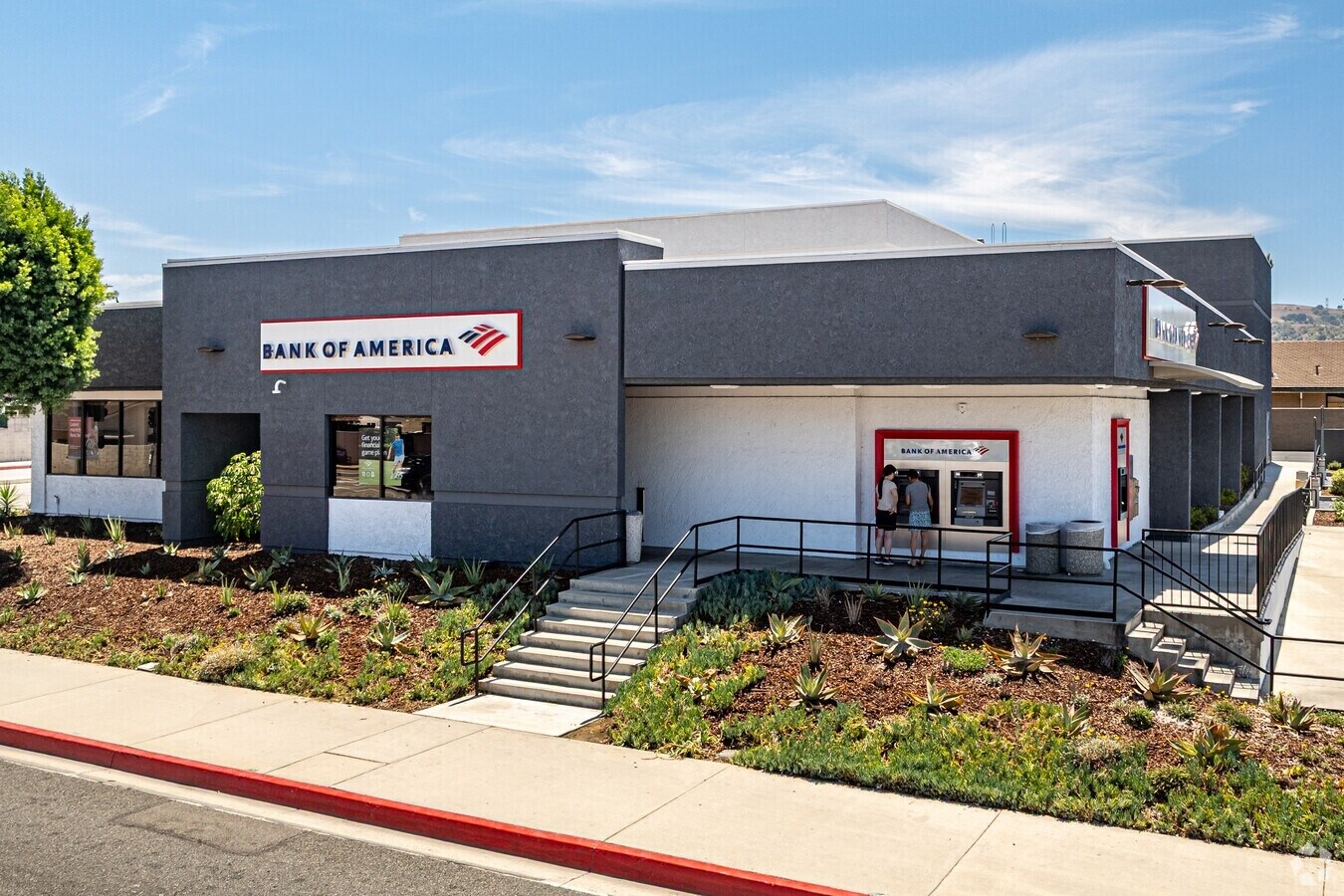
Building Use
Bank & Financial Building Roofing in Oakland, CA starts with roof evidence.
A small roof with a lot riding on it
A bank branch usually has one of the smaller roofs on its block, but very little tolerance for water getting through it. Underneath are vault rooms, server and network closets, ATM mechanisms, and a lobby full of customers, and a drip in the wrong spot can shut down a branch for the day. You see these buildings everywhere in Oakland - the branches anchoring shopping centers along MacArthur Boulevard and International Boulevard, the credit unions serving the Port and the city's large public-employer base, and the financial offices around the City Center and downtown business district. The work isn't large, but it has to be exact, and it has to happen without getting in the way of the business below.
The drive-through canopy is the usual culprit
For all the attention vaults get, the part of a bank roof that leaks most often is the drive-through canopy where it ties into the main building. That connection takes thermal movement, overspray and grime off the lanes, and differential settlement between a light canopy structure and the heavier building it hangs off of. Standard retail flashing details don't hold up to that combination over time. We treat the canopy-to-wall transition and the canopy's own drainage as separate scoped items rather than folding them into the field membrane, because re-covering the main roof alone never fixes a canopy leak - the water is coming from the joint, not the field.
More penetrations than the footprint suggests
A modest bank roof can carry a surprising amount of equipment: a generator with a rooftop exhaust and transfer-switch room to keep the branch running through an outage, precision cooling for the server room, ATM-enclosure penetrations, and the usual rooftop units. Each one is a discrete flashing detail, and on a roof this small they sit close together, which makes clean detailing more important, not less. We document every penetration and its curb before pricing so nothing about the equipment field comes as a surprise mid-project.
Security shapes access more than at any other building type
At a financial building, getting on the roof is a coordinated event. Contractor badging, escort requirements near vault-adjacent areas, and camera documentation of crew activity are standard at bank-owned and corporate-managed properties in Oakland. We build the security coordination timeline and the crew credentialing into the bid up front, so the schedule reflects reality and there are no cost surprises once the contract is signed. Vault locations come off the building drawings before mobilization, and any roof zone over a vault is sequenced into approved windows with the security team's sign-off.
Working around banker's hours
Branches generally run Monday through Saturday with sensitive operations going the whole time, so we concentrate loud tear-off and installation into off-hours and weekends and confirm a watertight dry-in before the doors open each morning. Noise limits during customer-service hours, drive-through lane access, and any escort requirements for roof access are settled with the branch manager and the corporate facilities team before a crew arrives. The aim is a finished roof with no story to tell about disrupted customers or a closed lobby.
Single branches and portfolio programs
Many financial institutions in Oakland own or lease multiple sites and manage them through a centralized real-estate group, so bank roofing often runs as a program rather than a one-off. National and regional bank networks bring preferred-vendor processes, standardized scope documentation, and national-account pricing frameworks, and we work inside those structures for portfolio accounts. We also work directly with community banks and credit unions handling a single building. Either way the documentation is consistent: insurance and license verification before mobilization, a preconstruction safety plan, daily work and dry-in reports, manufacturer warranty registration in the owner's name, and a final permit and inspection package.
Bank & Financial Building Roofing Questions
How do you schedule around branch operating hours?
We concentrate active tear-off and installation in off-hours and weekends, with a watertight dry-in confirmed before the branch opens each morning. Work windows, noise limits during customer-service hours, drive-through access, and any security-escort requirements for roof access are coordinated with the branch manager and corporate facilities ahead of time.
How do you handle the drive-through canopy connection?
The canopy-to-building transition is treated as its own flashing item, separate from the field membrane. We evaluate that joint independently, and if it has deteriorated we re-flash it with a detail built for the differential movement these connections see. It is the most common chronic leak on a bank branch and it is never solved by replacing the field membrane alone.
What documentation do financial institutions require?
Corporate real-estate departments typically want contractor insurance certificates and license verification before mobilization, a preconstruction safety plan, daily work and dry-in reports, manufacturer warranty registration in the owner's name, and a final permit and inspection package. We provide all of it and work within each institution's vendor-management process.
Can you work over active vaults and security-sensitive areas?
Yes. Vault-adjacent work is routine with proper pre-coordination. We identify vault locations from the building drawings before mobilization, sequence work over those zones into approved windows, and confirm with the security team that vibration or temporary access changes won't affect active operations.
Do you handle multi-site bank roofing programs?
Yes. Portfolio programs - from a regional bank with a couple dozen branches to a national network across California - are a regular part of our work. We provide standardized scoping, documentation, and pricing across the portfolio with a single project-management contact for the corporate facilities team.